INTRODUCTION
Tribal communities around the world exhibit distinct and diverse qualities shaped by their socioeconomic, cultural, and geographical circumstances. These communities, which frequently live in rural, forested, or hilly areas with distinct territorial boundaries, preserve a wealth of traditional knowledge and lifestyles that are intricately linked to their environment and community beliefs. The Indigenous populations of India are among the most backward and marginalized communities[12]. However, their physical isolation and specific socio-economic conditions render them particularly vulnerable. In India, where a sizeable proportion of the population belongs to tribal groups, these vulnerabilities are pronounced, especially in regions like Kerala. With its distinctive geographic peculiarities, Wayanad, the capital of Kerala's tribal community, is home to thirteen distinct tribes, some of which are especially vulnerable.
Wayanad is also the origin of five tribal communities, with almost 38% of the state's Adivasi population. These tribes vary in language, ecological settings, physical features, population size, level of acculturation, livelihood modes, development, and social stratification. They still follow long-standing traditions and ceremonies. Kerala occupies a special place on India's tribal map[22]. This paper takes up the question of how the Paniyan tribe can preserve its cultural heritage in the face of entrenched socioeconomic difficulties and the pressures of globalisation. First, it examines the historical and environmental forces that shaped Paniyan cultural expressions and subsequently placed them under threat. Second, how do present day socioeconomic inequality and globalisation contribute to the weakening of Paniyan customs. Third, what can the experiences of the Māori, Sami, Gonds, and Todas contribute to an understanding of how the Paniyan community might protect what remains of its cultural life.
ORIGINS AND CULTURAL HERITAGE OF THE PANIYAN TRIBE
The Paniyan tribe, predominantly settled in Wayanad, constitutes the largest scheduled tribe in Kerala, with 69,116 individuals as per the 2011 Census, accounting for 22.5% of the state’s overall tribal population[9]. Located in the Western Ghats at an elevation of 3,000 feet, Wayanad’s biodiverse landscape, with dense forest coverage spanning 83% of the region, has shaped its identity. The name "Wayanad" derives from the Malayalam words vayal (paddy field) and naadu (land), reflecting its agricultural history, though some interpret it as Vana-naadu (forest country), emphasizing its forested expanse. The Paniyan trace their origins through oral traditions, one of which centers on Ippimala Muttasi and Ippimala Muthappan, a revered couple believed to have lived atop Ippi Hill near Banasura Peak. Many Paniyan consider themselves descendants of this couple, while others in regions like Pakkam, Kuruva Island, link their origins to the Kurumars, or believe the Chettiyars brought them from forests for labor[21].
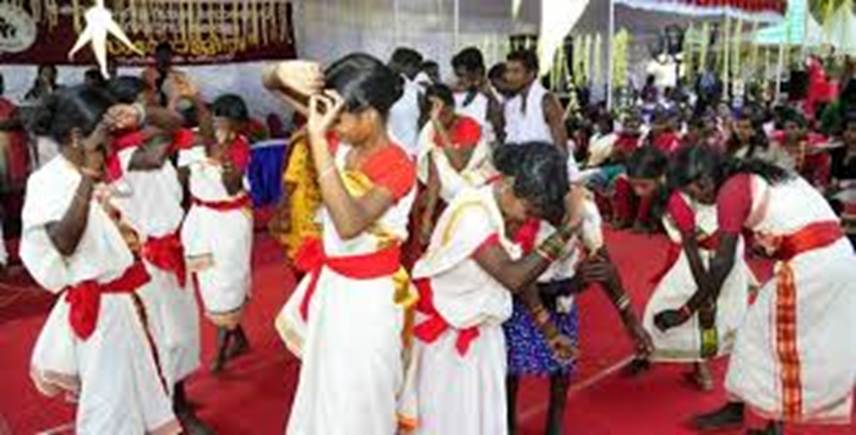
Their cultural heritage is rich and multifaceted. Vattakali and Kolkali dances, performed during communal celebrations, are rhythmic expressions of their connection to nature, often accompanied by the thudi, a small drum that synchronizes activities like paddy planting[11]. Harvest ceremonies involve offerings to forest deities, and their headman performing rituals underscoring their spiritual ties to the land, while the Paniya language preserves oral histories of their resilience[20]. Rituals such as kootathara, which honors departed souls, and kettkalyanam, marking marriages, are integral to their social fabric. The Paniyan also celebrates other festivals like state festival of Onam and Vishu with distinctive practices, such as applying yellow color and dancing near Thirunelli, blending their traditions with mainstream culture today[10]. Art and culture have the drum Thudi and Chenni, without which no gathering is complete. These practices, rooted in their environment, form the core of their cultural identity.
HISTORICAL STRUGGLES: A LEGACY OF EXPLOITATION
The Paniyan have significantly shaped Kerala’s regional history through their contributions to agriculture and forest management. Historically, their practices of food foraging and subsistence farming in Wayanad’s biodiverse landscape demonstrated sustainable resource use, a knowledge system that remains relevant for conservation efforts[22]. Their cultural practices, including dances and oral traditions in the Paniya language, enrich Kerala’s indigenous heritage, providing insights into the state’s pre-colonial history[20]. Their evolution from bonded laborers to wage workers, and now participants in eco-tourism—selling thudi drums to tourists—reflects their adaptability, cementing their place in Kerala’s historical narrative[10]. The growing global interest in indigenous cultures post-COVID-19 has further highlighted their role, as eco-tourism integrates their traditions into Kerala’s cultural economy, a trend supporting cultural preservation in other indigenous contexts.
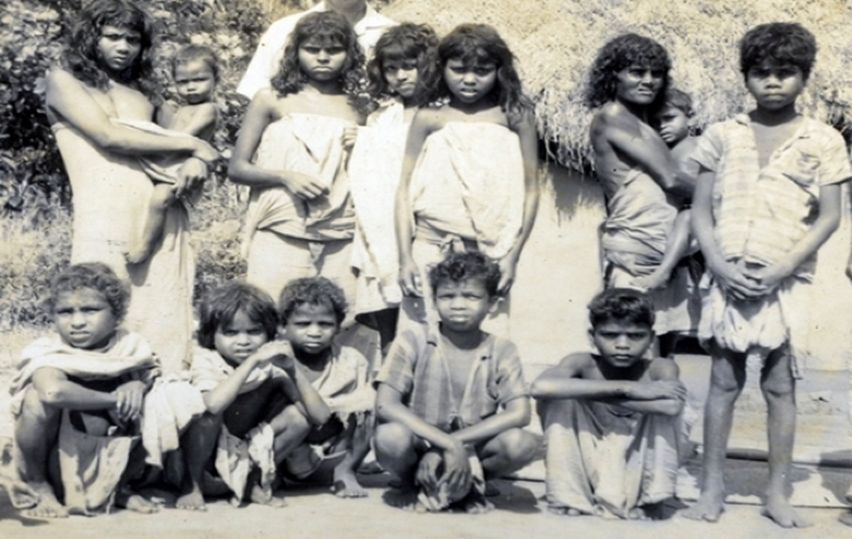
The Paniyan’s history is deeply intertwined with Kerala’s socio-economic and political transformations, as all phases of tribal history is largely marked by exploitation and marginalization. Before colonial rule, they were agrestic slaves under feudal landlords (janmis), a system where land ownership was restricted to upper castes like Nairs and Brahmins. The Valliyurkavu festival in Mananthavady exemplifies this dark past, where Paniyan individuals were bought, sold, or traded in front of the Bhagavathi temple, their yearly labor agreements sealed with minimal payments like cloth or oil. British colonial rule (1790s–1947) introduced land revenue systems, forest preservation laws, and plantation economies, forcing the Paniyan into wage labor on coffee estates and disrupting their traditional resource access. The Indian Fisheries Act of 1897 further altered their food habits by banning fishing during certain months, while forest restrictions limited their subsistence practices, such as foraging and gathering wood and food.
Post-independence, the Paniyan faced continued displacement. Between the 1920s and 1960s, settlers from central Travancore, facilitated by new roads connecting Wayanad to Mysore and Kozhikode, pushed them to the hills, deepening their reliance on wage labor. This historical land alienation, driven by colonial and post-colonial policies, mirrors broader patterns of indigenous dispossession in India, where tribal communities lost access to traditional resources critical for their livelihoods. Despite the abolition of bonded labor in 1975, many remained agricultural laborers, diversifying into roles like construction workers, though social discrimination persisted[17]. Kerala’s Scheduled Tribes, including the Paniyan, number 484,839 (2011 Census), with Wayanad hosting 37.36% of this population. However, misappropriation of developmental resources has left them with limited access to education and healthcare, perpetuating their socio-economic exclusion[23].
The research points to two central findings about the conditions of Paniyan cultural preservation. The first is rooted in history. Colonial land revenue systems and the displacement that came with post-independence development severed the Paniyan's connection to their land, and with it the ecological and cultural foundation on which their way of life depended. The second is a set of contemporary socio-economic conditions, educational inequality, persistent land alienation and poor access to healthcare, that globalisation has made harder to resist, particularly for the younger Paniyan community moving away from traditional practices toward the cultural mainstream.
SOCIO-ECONOMIC CHALLENGES IN A GLOBALIZED CONTEXT: A THEORETICAL OVERVIEW
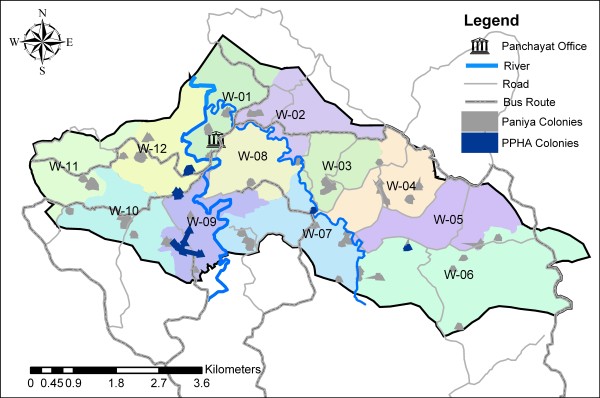
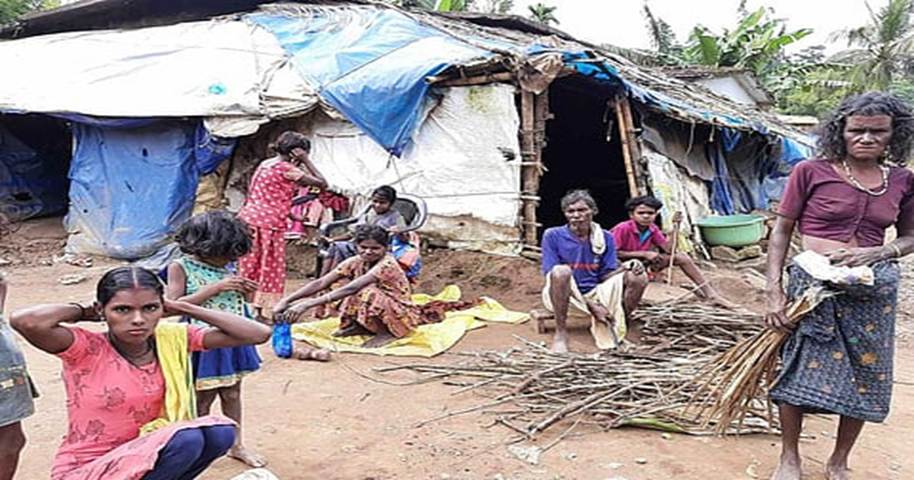
The Paniyan face significant socio-economic challenges that threaten their cultural continuity. Their villages, often small colonies of 8–25 dwellings in remote areas of Wayanad, suffer from geographic isolation, limiting access to formal education. Underfunded schools and language barriers contribute to a literacy rate of 67% among Kerala’s tribal population, compared to the state’s 93.91% average[16]. This educational disparity is stark, with tribal children in Kerala facing systemic barriers such as inadequate infrastructure and a lack of culturally relevant curricula, often taught in reginal language Malayalam. Economic hardship affects 60% of Paniyan households living below the poverty line, compelling children to prioritize wage labor over schooling, thus perpetuating poverty cycles[15]. These economic pressures align with broader trends among India’s rural tribal communities, where poverty exacerbates social exclusion.
Social discrimination in educational institutions and broader society further marginalizes them, with their cultural knowledge often ignored, leading to high dropout rates. Land alienation remains a critical issue, with historical dispossession and post-independence policies severing their access to ancestral lands essential for cultural practices. The Forest Rights Act of 2006, aimed at restoring these rights, faces implementation delays due to governmental delays and lack of awareness, a challenge echoed in other tribal regions of India[8]. Access to healthcare is similarly limited, with underreporting of health issues and inadequate utilization of services contributing to poor health outcomes among the Paniyan, reflecting systemic inequities in healthcare delivery for indigenous[24]. However, the community is also the behind in availing the benefits given to them by the government. Globalization exacerbates these challenges, with urban migration reducing participation in communal traditions and modern influences like Sanskritization leading to the adoption of mainstream attire (dhoti, saree) over traditional clothing[10]. Despite access to technology like mobile phones, basic infrastructure such as healthcare and education remains inadequate, highlighting persistent developmental disparities among tribals[13].
It can be observed by[18], who conducted research among the Paniyar tribe in Kerala's Wayanad district. Even though the majority of the children attend school, the study discovered that the schools—again in the case of tribal people—are not very effective. They discontinue their education by dropping out as soon as they can. This is due to a variety of factors. Before starting school, the Paniyan kids drop out of school for contribute to family. For them, a tribal hostel turns into the equivalent of a jail. They make an effort to get away from the regulations and standards that permeate hostels. One major obstacle is the language barrier. Because the language is unfamiliar to them, they are unable to interact with others in their studies. When they keep failing, they become ashamed and quit. However, slight progress is observed only in the sector of child education among the Kerala tribes since 2007, as dropout rates are also lower. Despite receiving a lump sum grant and aid from the government, Paniyar parents are unable to support their children because they lack the skills necessary for family-level integrating into society. The tribal children stand out among the schoolchildren due to their unkempt hair and shabby attire.
When opposed to their various tribal counterparts in Wayanad, Kurichyans have significantly better relationships and connections with other people and authorities. Comparatively speaking, they are more represented in the public service and political sectors. Nearly all of the tribal communities' delegates in local governing bodies are Kurichyans. In comparison to other indigenous groups in Wayanad, they typically possess significantly more property and have a higher level of education. However, Paniyans' socioeconomic advancement is limited by the complete lack of social networks or institutional/personal ties. They are confined by limited exposure and primarily interact within their immediate environment. In order to improve their socioeconomic and political standing in society, they are unable to collaborate with outside organizations and institutions, including governmental, non-governmental, and sociocultural ones. They are also unable to access a variety of state-provided opportunities and facilities due to their lack of social networks or connections.
According to official school education statistics, Wayanad district ranks second in Kerala for tribal school dropouts. The fact that the Paniya tribe makes up the majority of those who are not educated or who have dropped out of school is another important factor. The fact that Paniyans are among the most underprivileged tribal communities in Wayanad is also evident. The educational attainment of tribal women is severely lacking. All of the tribal respondents to the survey stated that poverty was the main cause of their school dropouts. The same excuse was given by each of the respondents who were not enrolled in school. Even though tribal people are entitled to free education in all areas, they frequently do not receive it. It is reasonable to suspect the government's efforts and involvement in this area at this point. Here, it is clear that the tribal people's lack of knowledge about government initiatives to support their educational advancement is the main issue. Their lack of knowledge about the government's efforts to improve their education is the true issue, which has resulted in significant underutilization of these incentives.
In every aspect of their lives, the tribal people of Wayanad have been living in abject poverty and deprivation. According to the researcher's field observation, there are a number of additional reasons why students drop out of school. The tribal families have no hopes or dreams for their children's better future due to their high level of ignorance about the anticipated advantages of education. It is a fact that tribal students are not interested in learning what is taught in schools. There is inadequate special attention and support provided by the teachers as they have not had adequate training to make the tribal students feel proud of their history and heritage. Tribal students have also dropped out of school early as a result of this. In school, they experience loneliness. They are seated in the classroom like birds in cages. Their preference is to wander around their colony, market areas, and agricultural fields. Additionally, given that the teacher typically uses a language that is unfamiliar to them, it is evident that they struggle to keep up with the lessons being taught. Their immediate needs and desires do not appear to be met by the lessons that are taught in the classroom. They are mostly drawn to wage labor at a very young age because they can make enough money doing menial tasks around the colony. The majority still become wage laborer as they grow.
This study examines the cultural challenges facing the Paniyan community through qualitative research, drawing on a wide body of existing scholarship to build its analysis. Ethnographic records, the 2011 Census, and government reports form the documentary foundation of the work, while the contributions of Karuveettil and other researchers are read alongside the economic analysis of Divya K to bring historical understanding and present day conditions into the same frame.
Three theoretical frameworks guide how the study reads and interprets this material. Cultural Ecology is applied because Paniyan identity cannot be understood apart from the land, forests, and ecological relationships that have defined their way of life. The UNESCO framework for Intangible Cultural Heritage provides a principled basis for assessing traditions that exist in practice and performance rather than in physical form. Ecocritical Postcolonial Theory opens up the question of how colonial dispossession and environmental disruption have combined to place those traditions under sustained pressure. Working across all three frameworks allows this study to engage with the full weight of what cultural survival means for a community in the Paniyans' position.
CULTURAL ECOLOGY
The study of how people adjust to their social and physical surroundings is known as cultural ecology. The biological and cultural mechanisms that allow a population to endure and procreate in a particular or shifting environment are referred to as human adaptation. This can be done synchronically (looking at a current system and its elements) or diachronically (looking at entities which existed in different eras). The main contention is that social organization along with other human institutions are significantly influenced by the natural environment, especially in small-scale businesses or subsistence societies that rely on it.
The Cultural Ecology theory takes into account how human activity impacts the natural world and the Earth itself, as well as how environmental factors impact people. When Julian Steward established the anthropological theory of Cultural Ecology in the 1950s and 1970s, there was a particular emphasis on the study of how the environment affects people. In his 1955 book The Theory of Cultural Change, Steward described Cultural Ecology as "a heuristic device for understanding the effect of environment upon culture." Cultural ecology, then, is concerned with how customs and values enable people to live within the constraints of the environment and adapt to their surroundings. It supports human institutions such as social organization. The long-term contribution of cultural practices to human adaptation to their surroundings is another way that cultural ecology interprets them.
Julian Steward created a framework that he called the cultural core in order to advance the discipline of cultural ecology. This structure, which Steward refers to as a "constellation," arranges the essential aspects of a culture that are most strongly associated with economic and survival arrangements. The basic relationship between humans and the environment in terms of subsistence lies at the heart of this framework. The second layer, which is outside the core, contains the countless direct characteristics of this relationship, such as labor, economics, tools, and knowledge. The less direct but still significant layer, which is usually connected to more significant historical, institutional, political, or social factors, lies outside of that second, closely linked layer.
Steward asserts that "cultural-historical factors" play a major role in determining secondary features, which help to create the distinctiveness of a culture's external appearance in comparison to other cultures with comparable cores. In order to better identify and comprehend the characteristics that are most directly related to how people and cultural groups use the environment, the field of Cultural Ecology can make use of the societal core structure.
According to cultural ecology, Paniyan culture is evolutionary, with cultural adaptations arising from a changing environment in Kerala. In contrast to early theories of anthropology that viewed societies as "unilinear and striving for a single primary objective—civilization"—Steward views evolution as multi-linear. It acknowledges that different environments call for different modifications and that different cultures are striving for different "norms." Additionally, cultural ecology has consistently attempted to integrate the concepts and methodologies of the natural and social sciences on both a theoretical and methodical level. Thus, cultural ecology aims to use the natural sciences to explain the social sciences. It explains cultural change by pointing to environmental pressures. As a result, it acknowledges how various societies adjust differently due to their climate rather than their intelligence. Applying Steward's cultural ecology framework to the Paniyan context reveals how their historical subsistence practices, deeply intertwined with Wayanad’s biodiverse landscape, represent a primary cultural core.
INTANGIBLE CULTURAL HERITAGE
On October 17, 2003, the UNESCO General Conference adopted the "Convention for the Safeguarding of the Intangible Cultural Heritage". After thirty UNESCO Member States ratified the convention, it came into effect in 2006. Traditions or living expressions that have been passed down from our ancestors to our descendants are referred to as intangible cultural heritage. Examples of these include oral traditions, performing arts, social customs, rituals, celebrations, knowledge and practices related to nature and the cosmos, or the ability to create traditional crafts. According to the convention, intangible cultural heritage refers to the customs, depictions, gestures, expertise, and abilities that communities, groups, and occasionally individuals acknowledge as belonging to their heritage of culture. It also includes the tools, artifacts, and cultural spaces that are associated with these traditions, illustrations, phrases, and capacities[5].
In response to their surroundings, their interactions with nature, and their past, communities and groups continuously recreate this intangible cultural asset, which is passed down from generation to generation. This gives them a sense of permanence and distinctiveness and fosters respect for human creativity alongside cultural diversity. Intangible cultural heritage will only be taken into account for the purposes of this Convention if it complies with current international agreements on human rights, the principles of sustainable development, and the demands of respect for one another among societies, organizations, and individuals.
Both national and international levels are affected by the convention. State parties are expected to take the required actions at the national level to guarantee the preservation of the intangible cultural heritage found on their soil. Adopting suitable policies, promoting education, and identifying the intangible cultural heritage present on its territory are some examples of these actions. In addition, each state party must make an effort to guarantee the maximum involvement of the communities, organizations, and, when applicable, individuals who produce, preserve, and pass on such heritage, as well as proactively involving them in its management, when implementing these measures. Thus, Tribal cultures, such as the Paniyan tribe's, should be urgently protected, according to Article 14—education, awareness-raising, and capacity-building; Article 15—community, group, and individual participation; and Article 16—Representative List of the Intangible Cultural Heritage of Humanity. The UNESCO framework for Intangible Cultural Heritage provides a critical lens through which to evaluate the intrinsic value of Paniyan traditions, such as their dances, language, and craft, positioning them as essential elements requiring urgent safeguarding.
ECOCRITICISM / POST COLONIAL THEORY
A recent development in literary criticism is the study of ecocritical post-colonial theory. A connection between literature and the environment is revealed by the theory, which integrates the study of the post-colonial times setting into literary works. Writers were solely involved in presenting nature as a source of influence and the opportunity to develop and write down their ideas before the term "ecocriticism" was ever used in the literary world. Since the 'Association of the Study of Literature and Environment' (ASLE) coined the term "ecocriticism" in literary criticism in 1993, academics have used text analysis to draw attention to environmental issues and investigate the ways in which literature can raise social awareness.
As a reaction to colonization, post-colonialism, on the flip hand, examines the economic and cultural exploitation of the marginalized and colonized—that is, the indigenous people and their land. As can be observed, the division between the two schools of thought—'nature versus culture'—has been prevalent for over ten years. This dichotomy has destroyed the idea that our surroundings is a synthesis of 'animate and inanimate, humans and nonhumans, nature and culture'. Responding to these two distinct fields—post-colonial and ecocriticism—by examining the environment as a whole, made up of people, animals, as well as land is the challenge of post-colonial ecocritical studies. It refocuses critical thinking on how people (both native and foreign) relate to their surroundings and to other people.
Currently, scholarship in literary discourse goes beyond the autonomous status that is associated with a specific analytical paradigm. The intractable double standard of "identity" in literary criticism especially in regard to the Paniyan tribe. Since ecocriticism critically theorizes for a return to or the preservation of a pristine place, while postcolonialism focuses on reinventing the history of a colonized place, the concept of place serves as a commonality between the two movements. Though their approaches differ, both theories appear to thrive on upending binary distinctions: the 'Human/Nature binary for ecocriticism and the West/Other binary for postcolonialism'. Additionally, ecocriticism exalts the American along with British models of nature, whereas postcolonialism favors discourses from and about former colonies. Therefore, a deeper comprehension of grassroots cultures that lack preservation and conservation is brought about by the non-Western approach which has been chosen in this research.
From an ecocritical post-colonial perspective, the Paniyan experience exemplifies the profound impact of colonial exploitation and subsequent land alienation on indigenous relationships with their environment, highlighting the ongoing struggle for both ecological and cultural sovereignty.
THE NEED FOR CULTURAL PRESERVATION: PATH TOWARDS RECLAMATION
The findings trace Paniyan cultural erosion to the combined pressure of historical dispossession and present socio-economic marginalisation, conditions that have not operated separately but have deepened each other over time. Including Paniya Nritham in the Kerala School Kalolsavam in 2025 signals state recognition of Paniyan cultural traditions, though recognition within a formal programme has not addressed the community level conditions on which cultural continuity rests. Cultural Ecology, UNESCO's Intangible Cultural Heritage framework (2003) and Ecocritical Post-Colonial Theory each address a different part of this, the ecological roots of Paniyan practice, the stakes of living tradition and the colonial history that redefined Paniyan life in Wayanad, and taken together they have carried the analysis of this study.
The preservation of the Paniyan’s cultural heritage is both a local and global imperative. Their traditions, such as Vattakali and Kolkali dances, embody indigenous knowledge of sustainable living, offering insights into biodiversity conservation within Wayanad’s forested landscape[22]. The Paniya language, a mixture of Tamil, Malayalam and Tulu is a repository of oral histories, is now at risk, with only 40% of youth fluent in the language, due to the dominance of Malayalam in education. A decade ago, studies showed that this was the reason to feel alienated. Language has been a barrier for tribal students to attend classes. As the school had Malayalam as their medium of communication, most Paniyan students struggled to learn Malayalam. There is a need to strike a balance between modernity and preserving history and heritage. Participation in rituals like harvest ceremonies has declined from 70% to 30% among Panian youth over, signaling a loss of intergenerational knowledge. This cultural erosion, driven by globalization, mirrors global patterns where indigenous communities face identity loss due to external cultural pressures . The youth no longer depend on the land as their ancestors used to, as they move around for work and employment. The adoption of mainstream practices through Sanskritization further threatens their distinct identity, a phenomenon observed across India’s tribal groups[10].
Preserving these traditions ensures the Paniyan’s contribution to Kerala’s cultural diversity and global indigenous discourse. The loss of practices like thudi-led paddy planting or kootathara rituals risks severing their spiritual connection to the land, undermining their resilience against socio-economic challenges. This loss also diminishes the broader understanding of indigenous sustainability practices, which are critical for global environmental strategies[14]. State initiatives, such as the 2024 inclusion of Paniya Nritham in the Kerala School Kalolsavam, aim to foster cultural pride, but broader efforts are needed to address systemic barriers like low literacy and discrimination. Protecting their heritage not only honors their past but also enriches global understanding of indigenous sustainability, particularly in the context of rapid globalization[25]. New perspectives need to be taken into consideration as deep-rooted strategies, such as teaching them about their own culture in school, will go a long way in preserving their culture.
RESILIENCE AND ADAPTATION
The Paniyan demonstrate resilience through community-driven and state-supported efforts to preserve their traditions. They continue crafting thudi drums, whose beats guide agricultural activities, and perform folk songs that narrate their history, maintaining cultural continuity[11]. Eco-tourism has emerged as a vital avenue post-COVID-19, enabling them to sell forest products like wild honey and bamboo crafts, generating income while reinforcing their environmental connection[10]. However, only a few Paniyans make use of such initiatives. Such initiatives align with successful eco-tourism models in other tribal regions, where sustainable practices enhance both economic and cultural resilience. The Kerala Forest Department’s Participatory Forest Management (PFM) program, through Vana Samrakshana Samithis (VSS), involves them in sustainable forest management, though limited awareness hinders wider participation. Studies on forest management in India highlight the importance of community involvement for sustainable outcomes, a principle that applies to the Paniyan’s context
State initiatives also play a role. The 2024 inclusion of Paniya Nritham in the Kerala School Kalolsavam promotes their dances to broader audiences, aiming to instill pride among youth, despite challenges like non-tribal judging. The Kerala Institute for Research Training & Development Studies (KIRTADS) has organized food festivals showcasing dishes like bamboo rice payasam, raising cultural awareness and providing economic opportunities[19]. However, low literacy and internet access (30% of households) limit the impact of digital archiving efforts, a barrier also noted in other rural indigenous communities. These strategies highlight the need for Paniyan’s adaptability, along with greater community engagement and education are essential for long-term cultural sustainability, as evidenced by successful tribal preservation programs elsewhere. Another important problem is their lack of social networking with people outside their community, as a result, many individuals are unable to take advantage of government-sponsored developmental initiatives[20].
CROSS COMPARISONS OF GLOBAL INDIGENOUS PARALLELS IN CULTURAL PRESERVATION OF IDENTITY
The difficulties faced by the Paniyan are reflected in indigenous communities around the world, especially in the preservation of language as well as dance. In New Zealand, for instance, colonial education policies nearly drove the Māori language (te reo Māori) to annihilation. However, the decline has been reversed by state-sponsored programs such as Kōhanga Reo (language nests) and mandatory Māori-language education beginning 1987. Similar to this, institutional support rather than transmission through speech alone could help reverse the decline of the Paniya language (only 40% of youth are fluent). Much like Kerala's eco-tourism initiatives for the tribes, the Sami tribes in Scandinavia have revived their traditional joik songs and reindeer-herding rituals through Polar tourism and subsidized by the cultural programs . However, compared to Kerala's VSS program, which does not have tribal oversight, the Sami have stronger legal protections because of their political autonomy through the Sami Parliament (1989). These similarities highlight how, in order to preserve indigenous cultures in an increasingly globalized world, both community mobilization and policy-level detection are required.
Similar to the Gonds, one of India's largest tribal groups with 12 million members (2011 Census), the Paniyan also face land alienation. Colonial and post-independence policies have resulted in the expulsion of both communities: the Paniyan from settlers in Wayanad during the 1920s and 1960s, and the Gonds from the mining process and forest clearing in Central India. But by 2013, 45% of Gond families had obtained land titles through organized activism, compared to 30% of Paniyan families, demonstrating the Gonds' greater success under the Forest Rights Act (FRA). Unlike the Paniyan, who rely on low-wage labor for 83% of their income, the Gonds rely less on wage labor thanks to their forest-based cooperatives, which provide 35% of their income. In contrast to the 30% ritual engagement rate among the Paniyan, this financial diversification keeps cultural traditions like Dandari dances alive among Gond youth.
The Toda tribe of the Nilgiris, on the other hand, which has 2,200 members according to the 2011 Census, is very good at preserving their culture. The Todas have made tremendous efforts in order to ensure cultural continuity and generate INR 5,000 per household each month. According to community-led documentation, Toda rituals are still essential, with 80% of young people taking part in cultural events, in contrast to the Paniyan, whose youth exhibit waning interest in Vattakali dances. Despite limited market access, the Paniyan could implement comparable commodification strategies for thudi crafts to improve economic and societal resilience. Their ancient dairy-based pastoralism and handcrafted shawls (pootkuli), which were designated as a Geographical Indication (GI) in 2013, have allowed the Todas to maintain their distinctive culture and economic resilience despite their small population size. Toda rituals continue to be an essential part of their identity because of vigorous community-led preservation efforts, in contrast to the Paniyan, whose youth exhibit waning interest in traditional dances. These parallels demonstrate the disparate effects of cultural commercialization and land rights compliance on tribal sustainability throughout India.
CONCLUSION
In conclusion, the issues that the Paniyans are currently facing with regard to their cultural identity constitute an important case study in the international conversation on indigenous rights and call for an immediate response that is also considerate of their unique customs. This study demonstrates how the persistence of their vital cultural markers, such language, dance, and traditional crafts, is threatened by historical marginalization and current economic inequality, which is made worse by global interconnectedness. A thorough collection of practical suggestions is produced by comparing the Māori, Sami, Gonds, and Todas. These results highlight the significance of a multimodal strategy that puts the legal defense of territory first while also offering the administrative and educational resources required to guarantee the survival of Paniyan language and cultural traditions.
The Gonds' commodification tactics and the Todas' activism indicate that the Paniyan might profit from market-based preservation of culture along with organized land rights advocacy, such as requesting GI status for Thudi crafts. Both the Māori and Sami models stress that in order to improve cultural resilience, political representation and state-funded language programs are essential. These tactics could be incorporated into Kerala's policies to ensure the survival of Paniyan customs in an increasingly globalized world by bridging the gap between grassroots initiatives and institutional support.
With its distinctive culture and handcrafted craftsmanship, the Paniyan tribe's thudi, a traditional drum made from jackfruit wood and animal hide, may be a good contender for Geographical Indication (GI) status. GI tags would enable the Paniyan to profit from their heritage while prohibiting non-tribal entities from commercializing it. These tags protect region-specific products from imitation, such as Darjeeling tea and Kanchipuram silk. In contrast to the Toda's pootkuli shawls, which were granted GI status in 2013 because of their unique embroidery, the thudi is still not acknowledged, even though it is used in Paniyan ceremonies such as harvest ceremonies and Vattakali. Similar to the way that the Santal tribe's Sohrai paintings (GI-tagged in 2020) improved tribal livelihoods in Jharkhand, a GI tag could encourage young people to participate in craft-making, halting cultural subsidence, while ecological tourism markets could increase its economic value.
But problems still exist. As almost all interventions are hampered by the Paniyan's low literacy rate (67% vs. Kerala's 94%) and lack of understanding and trust with others or outside communities. The Paniyan tribe’s culture, from their dances and rituals to their language, is overshadowed by the need for economic survival and modern pressures. Culturally sensitive steps must be taken seriously, as preserving the history and traditions of indigenous people like the Paniyan has become urgent. Their heritage, rooted in Wayanad’s hills, is vital to Kerala’s identity and global indigenous knowledge. Thoughtful actions like education that honors their culture, stronger land rights, and community efforts are essential to protect their traditions for a lasting future.